AMERICAN SIGN LANGUAGE · SMALL STEPS, REAL CONNECTION
Learn ASL.
Connect with people.
Build your skills with practical videos, free learning resources, and opportunities to practice. Start where you are, make a little progress each day, and keep the people behind the language at the center.
Beginner-friendly resources for vocabulary, fingerspelling, and everyday conversation.
A CLEAR PLACE TO START
Your next step in ASL.
Choose one skill to work on this week. Watch it, try it, and use it with someone.
01 / BUILD YOUR FOUNDATION
Learn useful signs.
Start with introductions, food, time, and the language you need in your own life. Learn signs in short conversations so they become more than a memorized list.
Explore beginner signs ↗02 / BUILD YOUR CONFIDENCE
Practice fingerspelling.
Develop clear handshapes and learn to recognize words as a whole. Practice both spelling and reading, at a pace that lets you stay relaxed and accurate.
Improve your fingerspelling ↗03 / BUILD CONNECTION
Use ASL with others.
Put a few familiar signs into a real exchange. Ask for repetition, take turns, and learn from feedback. Community practice can help make that first conversation less intimidating.
See practice details ↗WATCH. TRY. REPEAT.
Fingerspelling resources you can return to.
Use the lesson that fits your current challenge, then spend a few minutes applying it.
Fingerspelling playlist
A collection of lessons to help you build clear spelling and stronger recognition. Work through one video at a time.
Watch the playlist ↗Fingerspelling workshop
Set aside focused practice time with a longer lesson. Pause, repeat, and make notes about what you want to work on next.
Watch the workshop ↗Fingerspelling Made Easy
Return to the fundamentals and put clarity first. A useful starting point when spelling still feels awkward or reading feels overwhelming.
Watch the lesson ↗YOUR FREE LEARNING ROADMAP
6 Steps to Sign Language Fluency.
Give your learning a direction. This free guide helps you think through what to learn, how to practice consistently, and how to keep moving toward meaningful communication.
Use it alongside videos, instruction from Deaf teachers, and real conversations. Fluency develops over time; a guide gives you a starting point and a way to plan your next step.

PRACTICE WITH PEOPLE
A welcoming place to keep learning.
You do not have to wait until you feel fluent to take part in a conversation.
Our free group practice offers a place for learners to connect and use ASL together. These are community practice opportunities rather than a structured class or a promise of individual instruction.
Check the practice page for current joining information and expectations. Set up your camera so your face and hands are visible, bring a few topics, and give yourself permission to ask someone to slow down.
A SIMPLE TEN-MINUTE ROUTINE
Make practice a habit.
- Watch for two minutes. Choose one short lesson or a familiar signing clip.
- Try it for three minutes. Practice a few signs or fingerspelled words with clear movement.
- Use it for three minutes. Make a short introduction, describe your day, or exchange questions with a partner.
- Reflect for two minutes. Write down one thing that improved and one thing to revisit.
Small, focused sessions are easier to return to than an ambitious plan you cannot sustain.
OUR STORY
It started with family.
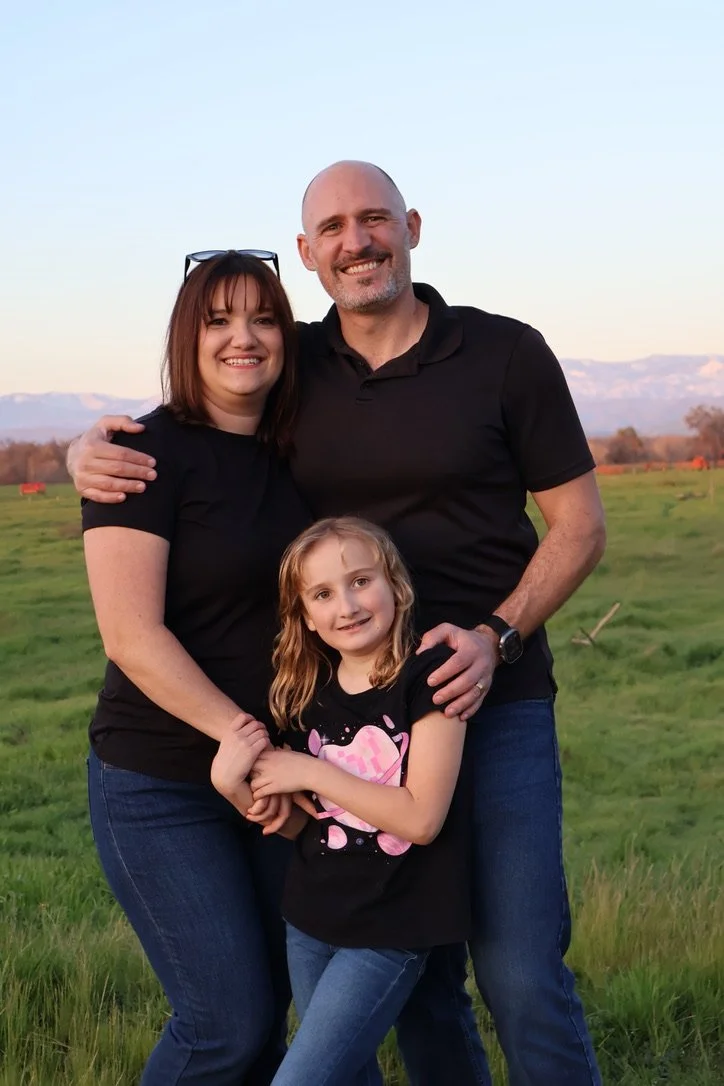
In 2009, my father-in-law began losing his hearing. Our family decided to learn ASL together. That shared decision grew into years of learning, work in interpreting, and a deep appreciation for the Deaf community.
My wife, Johnni, and I have carried those experiences into education, parenting, and the resources we share. My goal is to help you build useful skills and the confidence to connect, one manageable step at a time.
ASL is a complete language with its own grammar and cultural roots. Learn from Deaf educators and fluent signers, seek feedback, and approach the community with curiosity and respect.
COMMON QUESTIONS
Start with a little clarity.
Where should I start if I am completely new?
Begin with introductions, the manual alphabet, and a few signs you can use in daily life. Watch video demonstrations and pay attention to the whole signer: handshape, movement, location, orientation, and facial expression. The free guide and beginner-sign lessons above can help you choose a starting point.
Can videos alone make me fluent?
Videos are useful for learning and review, but communication also requires understanding other people and responding in the moment. Combine video practice with feedback from qualified instructors, Deaf-led learning opportunities, and respectful conversations.
Do I need to be advanced to join group practice?
Check the current practice page for the group’s expectations. You can prepare by learning a short introduction, planning a few familiar topics, and being ready to ask for repetition. Practice is an opportunity to learn, not a performance.
How are ChristopherGorges.com and ASL Basics connected?
This page is your starting point for my current ASL resources and community information. ASL Basics remains a learning library with vocabulary lessons, fingerspelling practice, and articles. The links above connect you to the relevant resource without making you search through both sites.
A small step.
A more meaningful connection.
Choose one resource, practice a little, and come back tomorrow.